How to Find Land for Sale in Cameroon: A Complete Buyer's Guide
Picture a Cameroonian living in Houston who gives 8 million XAF to an agent he met online for a plot in Douala that was already sold. Months later, a stranger turns up on the land with his own papers and a surveyor. Stories like this are common enough that most agents in the country have one.
Finding land for sale in Cameroon is the easy part. Listings are everywhere, and so are sellers who will send photos on WhatsApp within the hour. The hard part is knowing which plots are real, who truly owns them, and what you are allowed to build once you do.
This blog covers where to look, what land costs, which documents matter and how to check a title before you pay. You will finish it knowing what to verify first.
Best Locations to Find Land for Sale in Cameroon
Most buyers start in the two big cities, then meet the prices. Central plots are scarce, so land for sale in Douala is often found toward the edges, in areas such as Logpom and Japoma. Land for sale in Yaoundé follows the same pattern, with buyers looking at Odza, Simbock and Nkoabang.
Beyond those two, Kribi draws investors because of its deep seaport, while Buea and Limbe suit people who want a calmer base near Mount Cameroon. Bafoussam and Garoua are worth a look if you want a regional foothold.
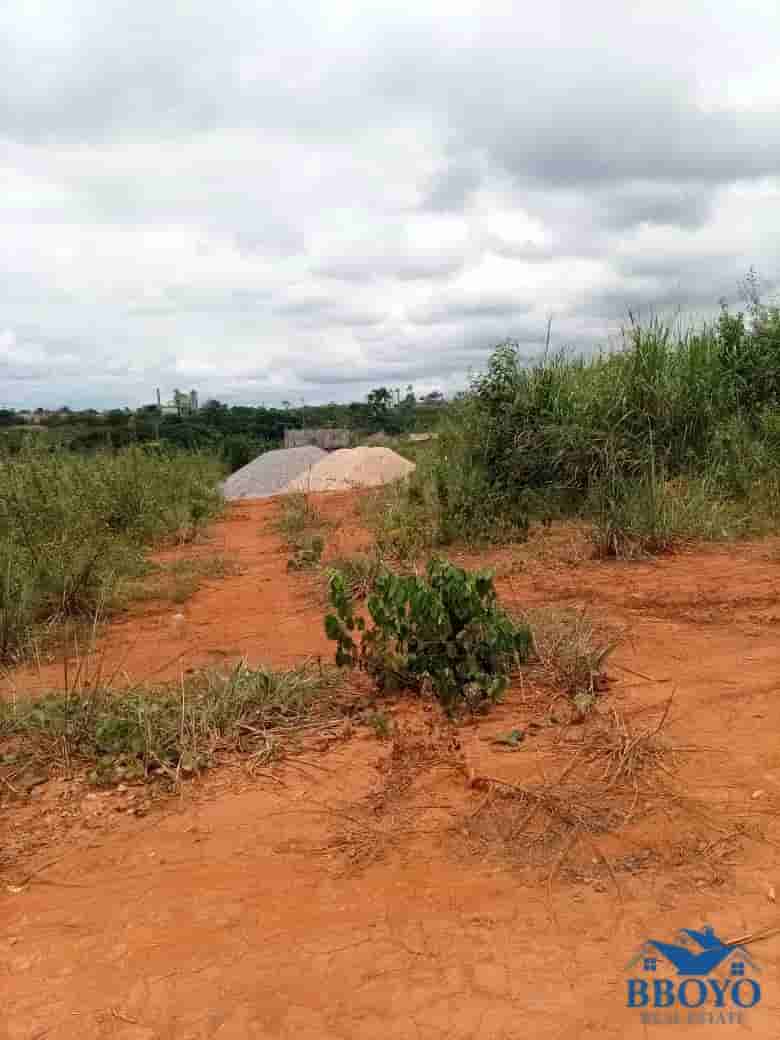
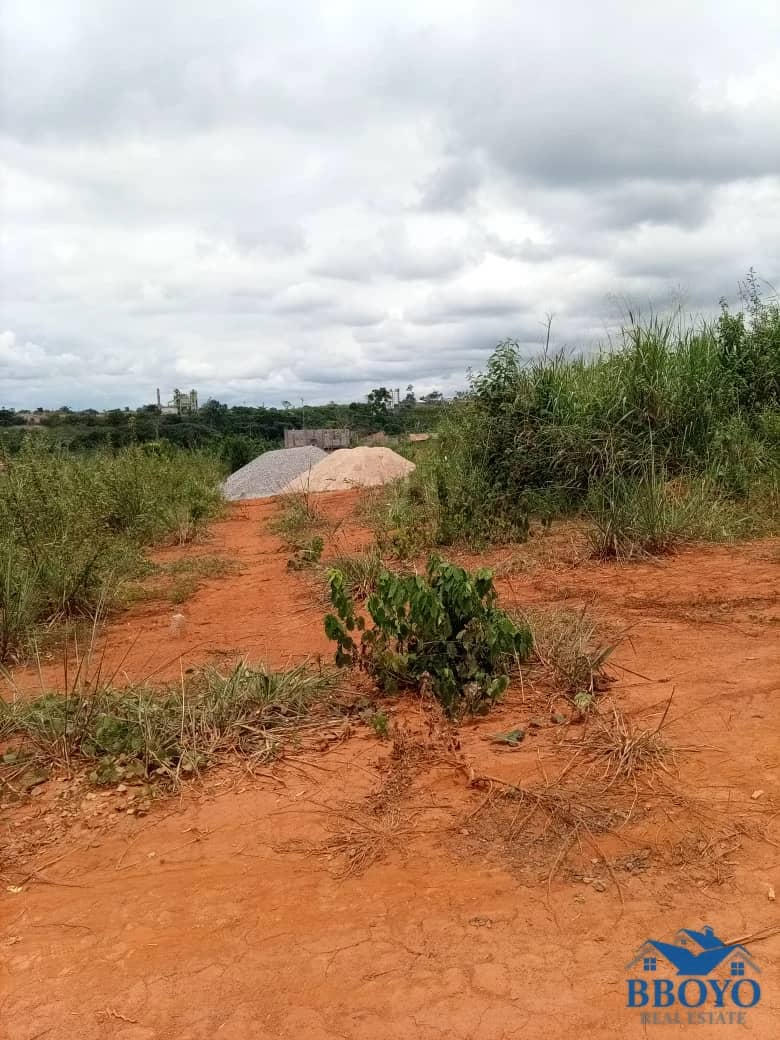
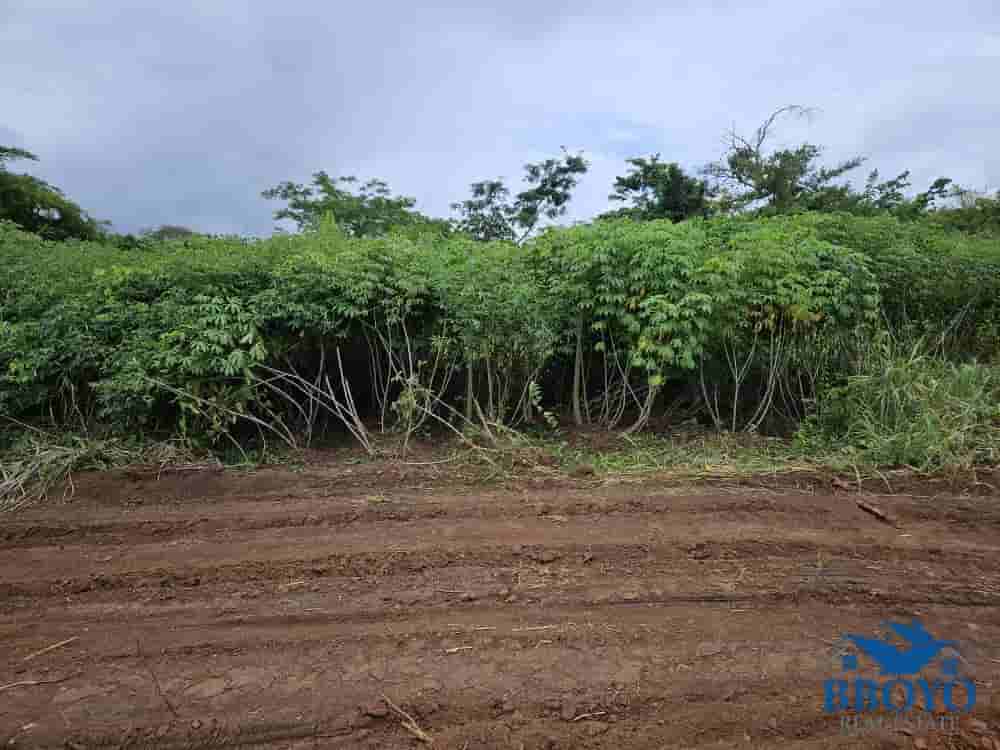
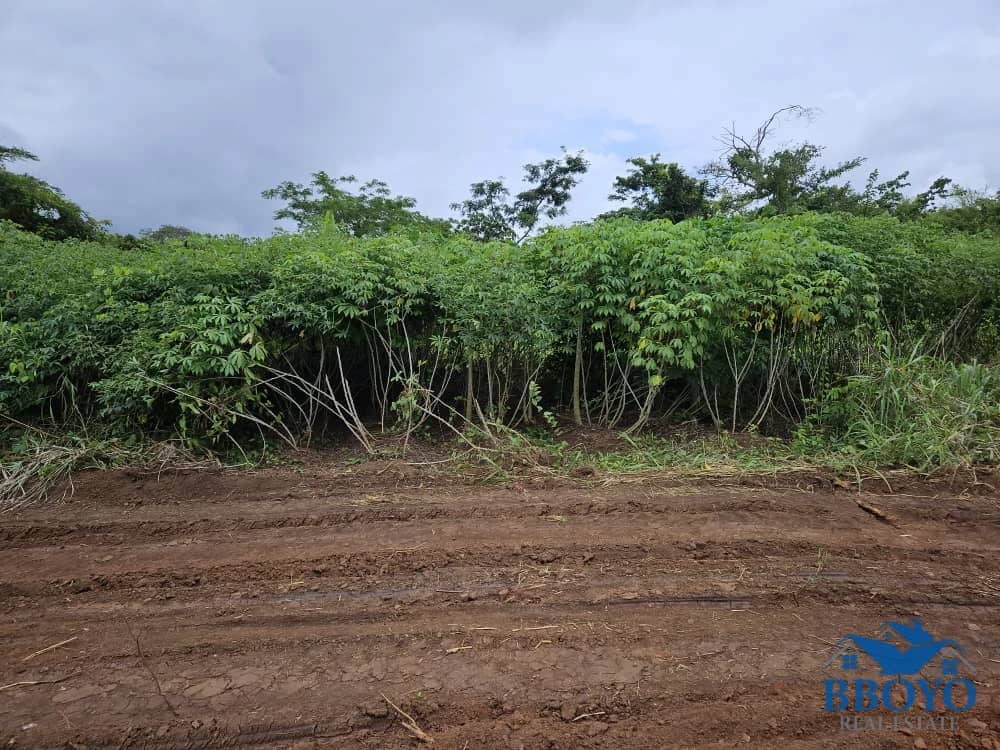
Agriculture land for sale and farm land for sale usually sit further out. Much of it has never been formally titled, so the document checks below matter even more there.
How Much Does Land Cost in Cameroon? Key Factors That Affect Prices
Land prices in Cameroon swing more by neighbourhood than by city, so two plots of land for sale in Cameroon that look alike online can cost very different amounts. One 2026 market guide puts residential land in Yaoundé at roughly 40,000 XAF per square metre in peri-urban Mfou and about 180,000 in Bastos. On a 300 m² plot, that is the gap between 12 million and 54 million XAF.
Four things move the number most:
-
Location and distance from the city centre
-
Road access, water and electricity
-
Whether the plot has a registered title
-
Plot size and shape
Treat published figures as a starting point, because they vary between sources. Ask what comparable plots actually sold for, not only what they are listed at. And be wary of a titled plot priced far below its neighbours. Cheap usually means a problem you haven't found yet.
What Documents Should You Verify Before Buying Land in Cameroon?
Before any deposit, ask to see these:
-
The original Titre Foncier, not a photocopy
-
The seller's national ID or passport, matching the name on the title
-
A notarised power of attorney, if someone is selling on the owner's behalf
-
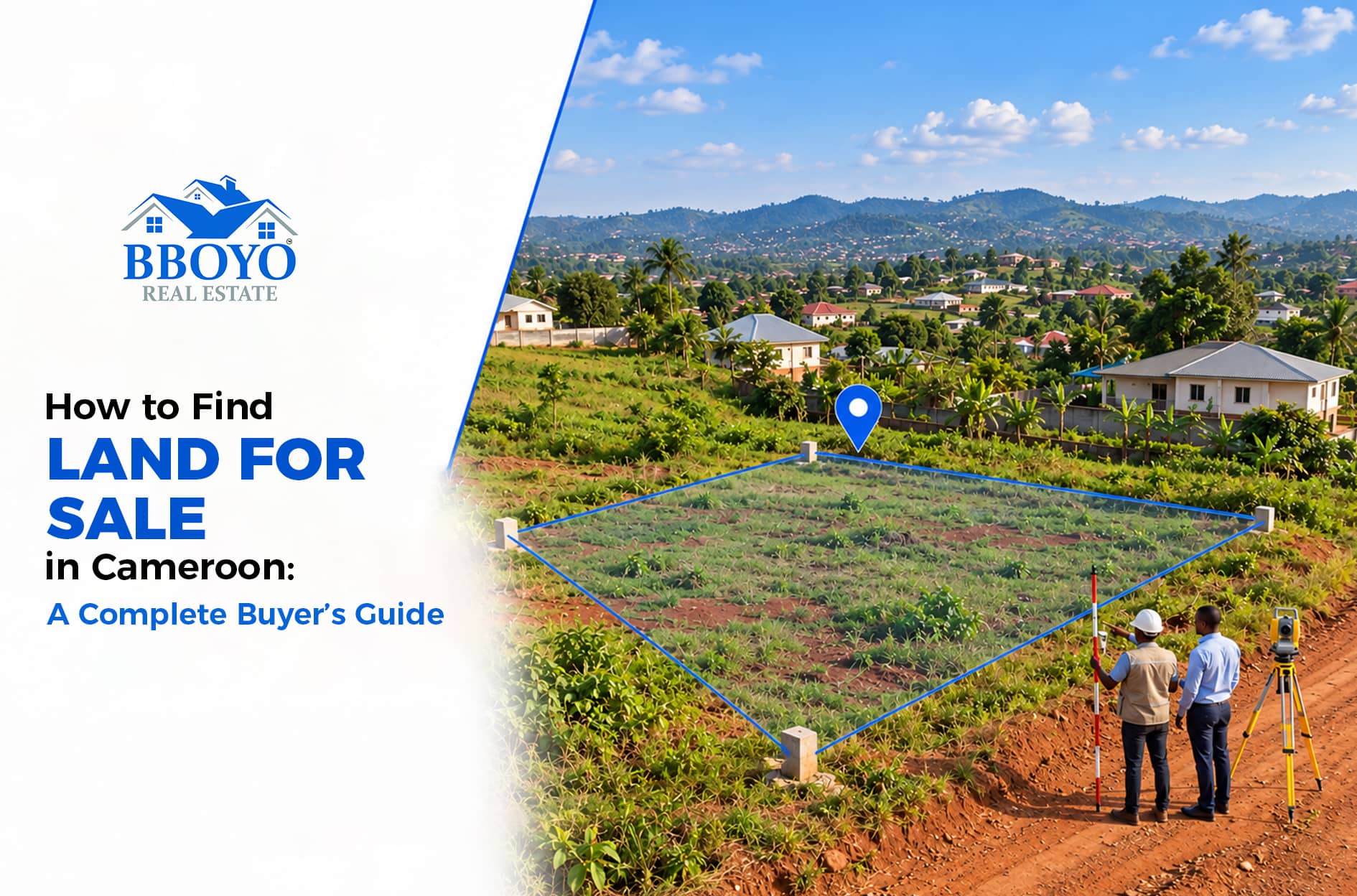
A survey plan showing the plot's boundaries
-
A draft land purchase agreement, reviewed by a notary
One 2026 change deserves attention. Since April, traditional chiefs and quarter heads can issue provisional papers called the ARDFC and the AJPTER. They are evidence that someone occupies a plot while a title is pending. They are not a Titre Foncier, and they don't create ownership rights.
A family agreement or a customary letter on its own is not enough to buy a land for sale.
How to Check Land Ownership and Title Deeds in Cameroon
Property ownership verification happens at the land registry under the Ministry of State Property, Surveys and Land Tenure (MINDCAF), not over a phone call. Take the title number there yourself, or send a notary or agent you trust.
Ask for a recent registry extract. It should show who owns the plot today and whether any mortgage or dispute is attached. This matters because Cameroon's Supreme Court publicly criticised irregular title withdrawals in February 2026, so a photocopy of an old title tells you very little about the present.
Then walk the land. Talk to the neighbours, find the boundary markers, and see who is actually using the plot.
Diaspora buyers shouldn't let a relative be the only set of eyes. Bboyo's Two-Week Due Diligence exists for exactly this: a legal and investigative review before you commit a franc.
What Should You Check Before Buying Land for Building a House in Cameroon?
A plot can look perfect in the dry season. Visit again after heavy rain, because some low-lying areas flood.
Check that a vehicle can reach the land, that water and electricity lines are close, and that the boundaries match the survey plan. Then ask the local council which zoning and building permit rules apply. Rules differ by area and change over time, so confirm them before you pay, not after the foundation is poured.
How Real Estate Agents Help You Find and Buy Land in Cameroon
Good real estate agents for land in Cameroon handle what you can't easily do from another country: finding genuine plots, arranging visits, bringing in the notary and surveyor, and negotiating. A local land agent also knows what neighbouring plots really sold for, which is your best defence against overpaying.
When comparing land agents in Cameroon, look for a property agent who:
-
Gives you the title number early, not after a deposit
-
Welcomes registry checks
-
Charges nothing just to show you a plot
-
Can point to past sales in the same area
Bboyo's agents work in Yaoundé, Douala, Buea, Limbe, Bamenda, Kribi, Bafoussam, Garoua and other regions, and property tours are free.
Conclusion
Buying land is harder because of the paperwork than because the paperwork is where your money is either protected or lost. Whether you are searching for land for sale in Cameroon from Douala or from abroad, the order stays the same: verify the title at the registry, confirm the seller, put the land purchase agreement in front of a notary, and only then pay. Follow that order, and you can buy land in Cameroon with far less worry.
Ready to find a plot you can trust? Browse verified land listings on Bboyo, book a free property tour, or start the Two-Week Due Diligence before you commit to a purchase.