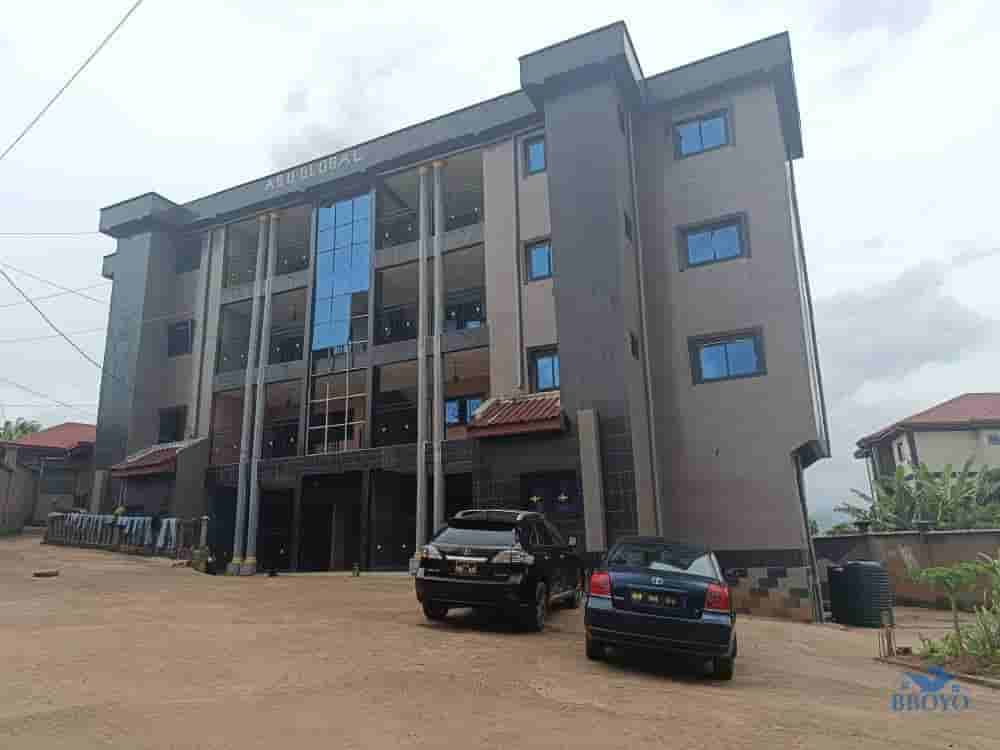
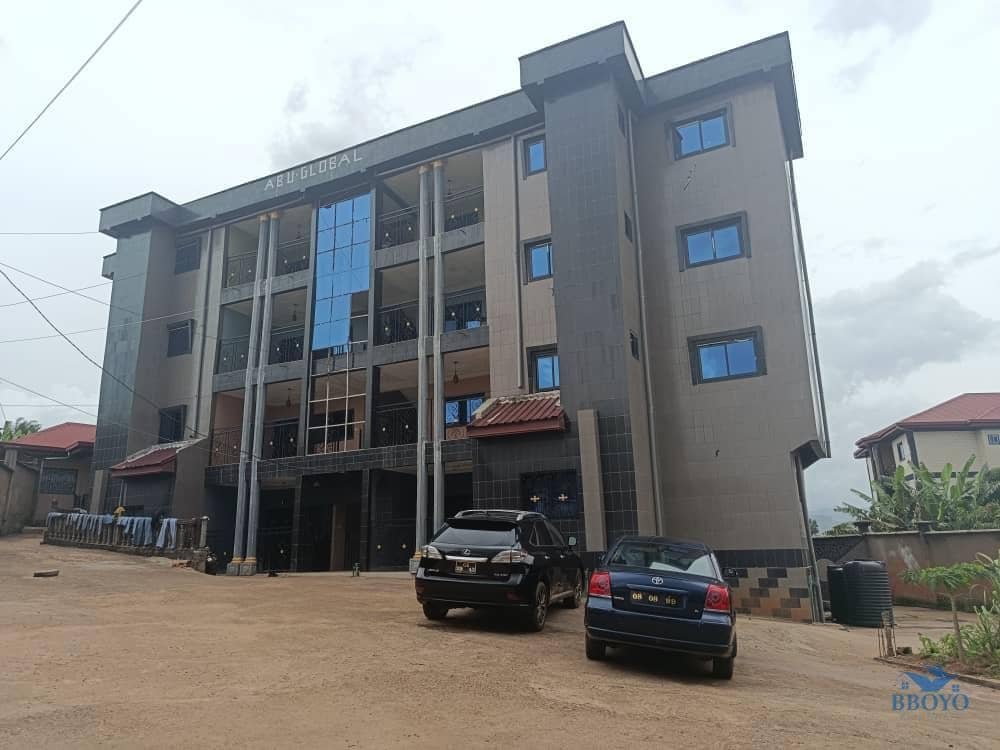
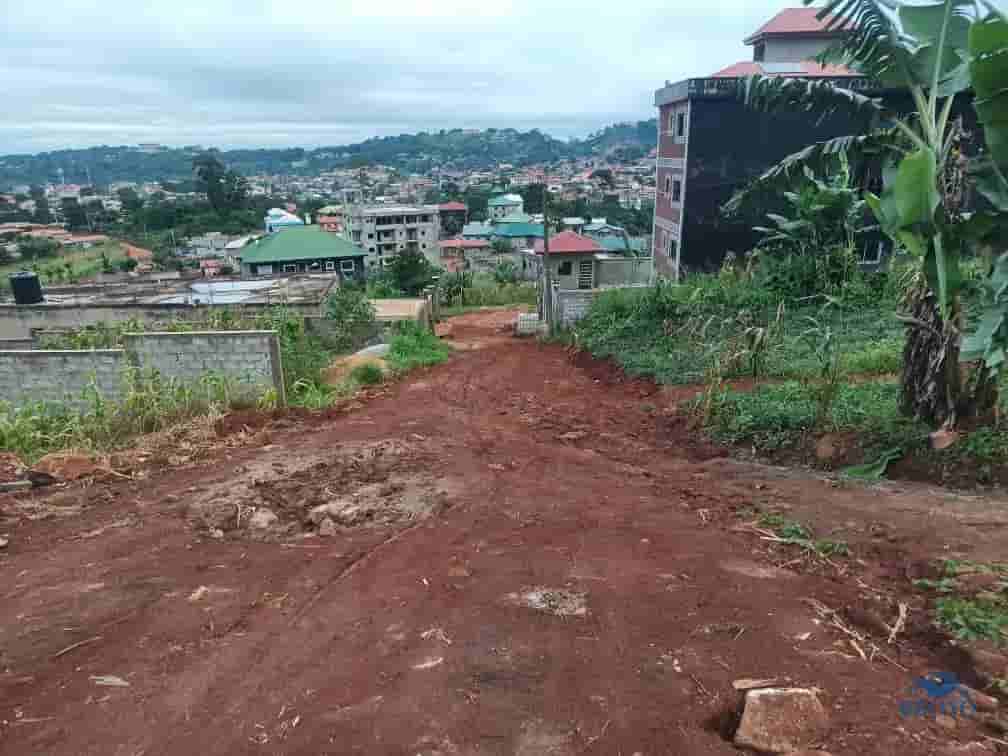
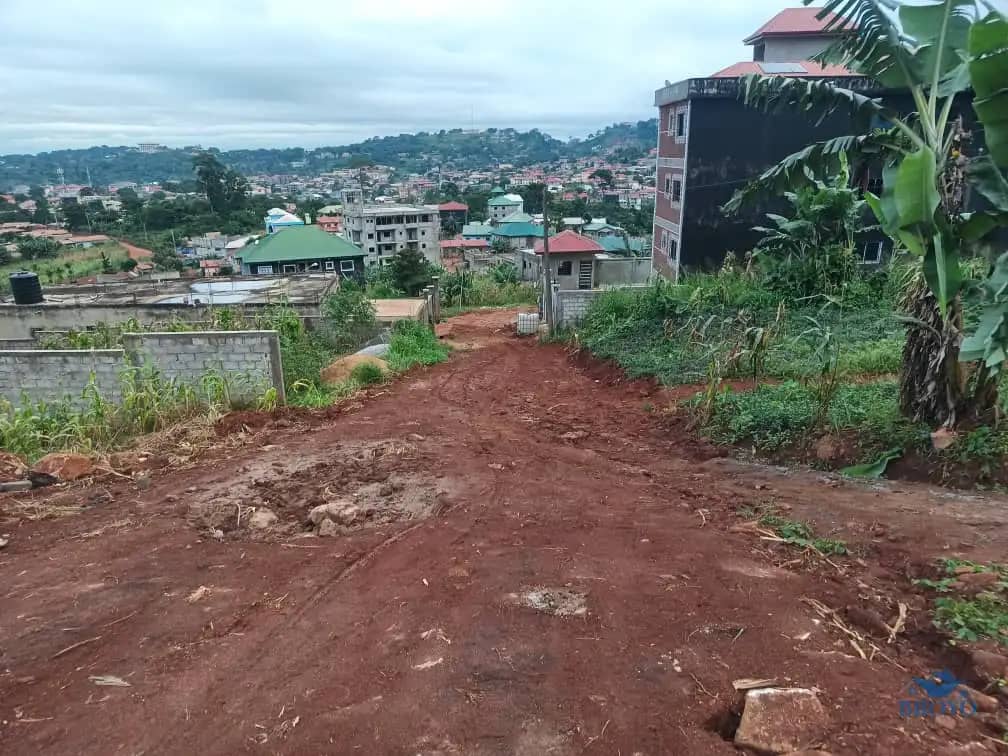
How Conflict, Displacement, and Years of Crisis has created an Unexpected Twist in Bamenda’s Housing Market
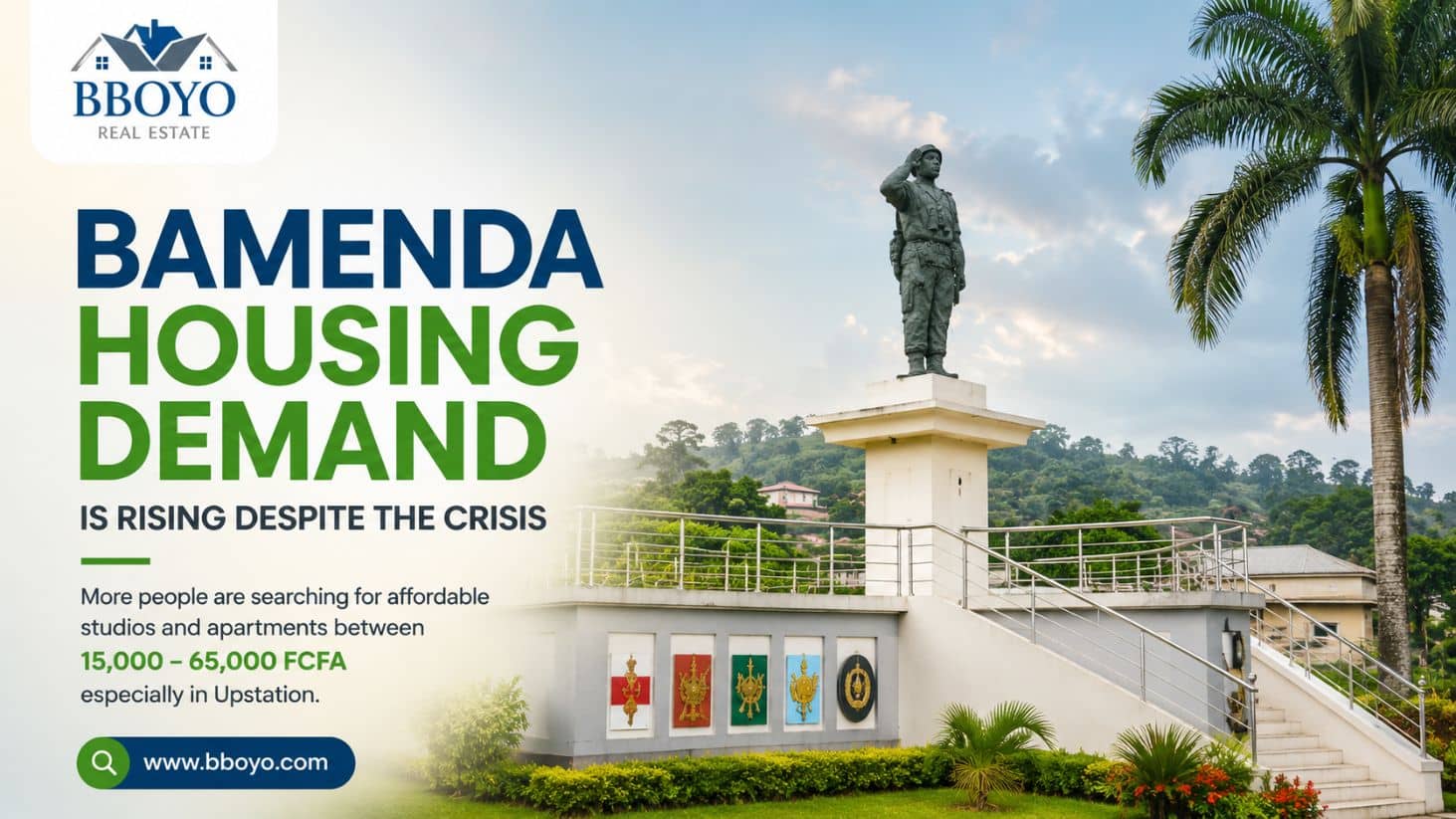
Seven years ago, strong housing demand in Bamenda would have been difficult to imagine.
The crisis had already transformed the city. Businesses were struggling, families were leaving, properties were sitting vacant, and many landlords were finding it increasingly difficult to attract tenants.
Today, the picture is changing.
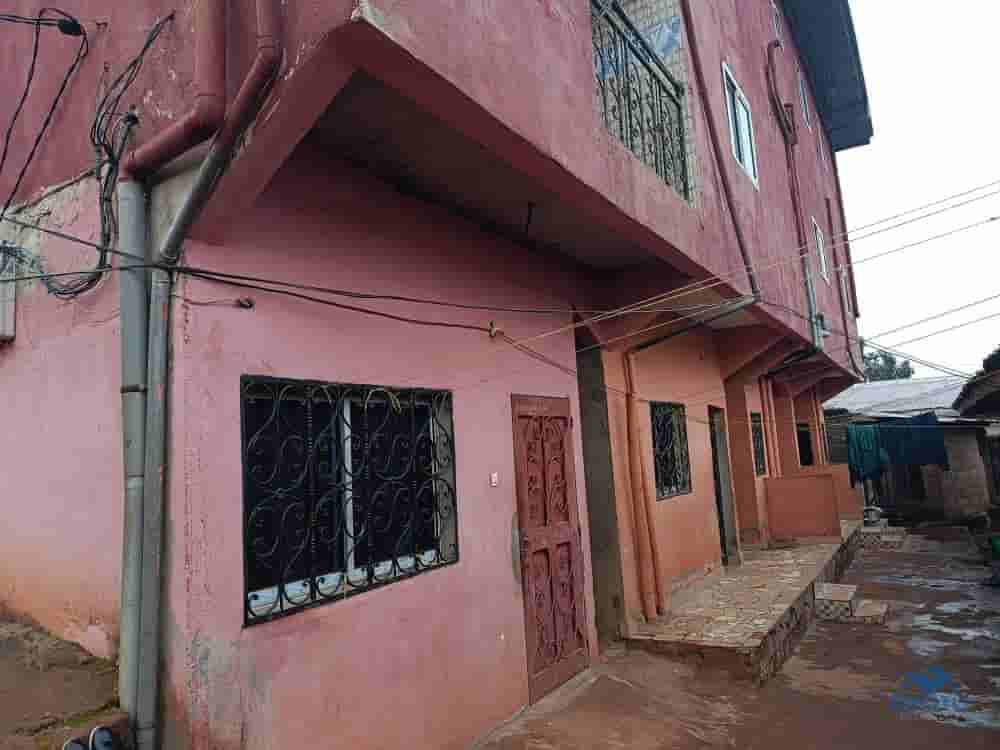
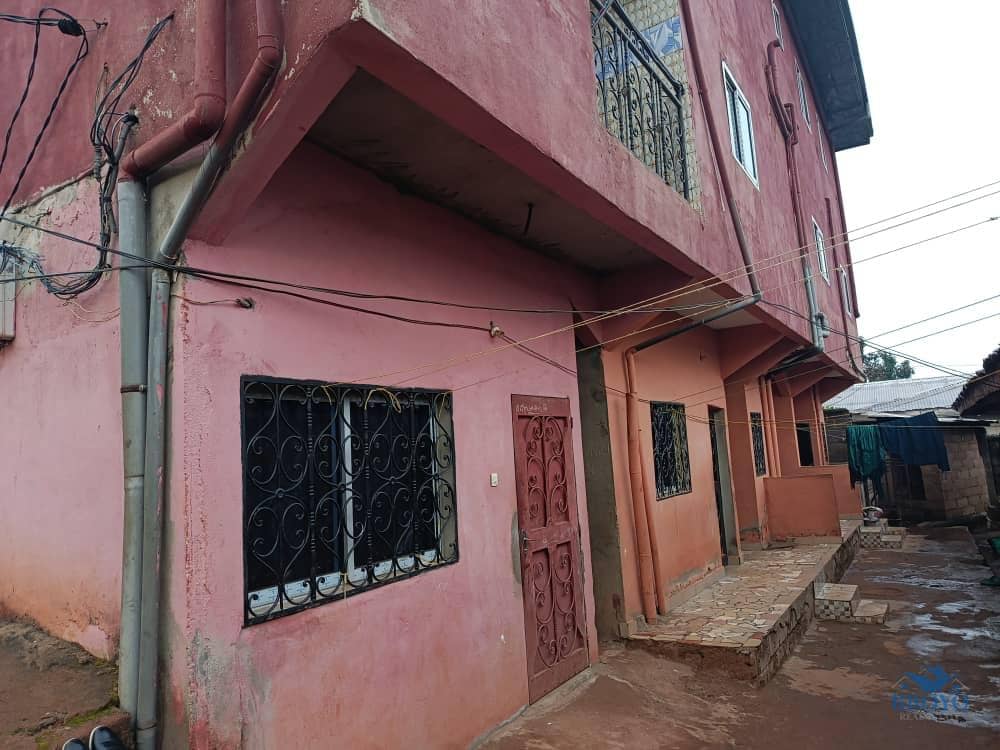
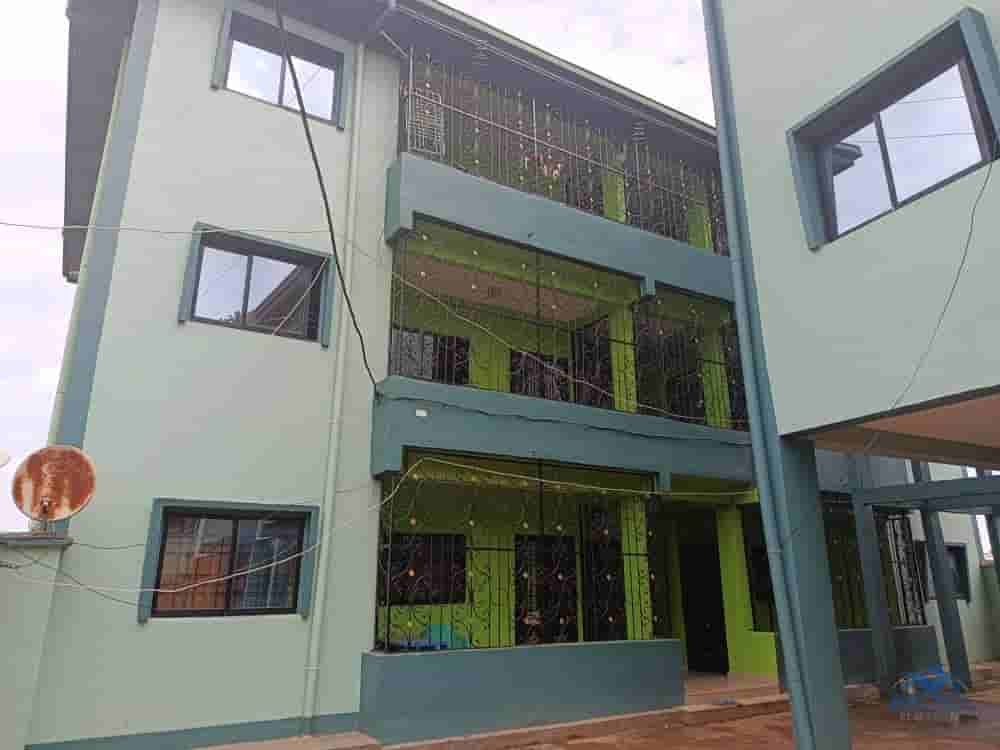
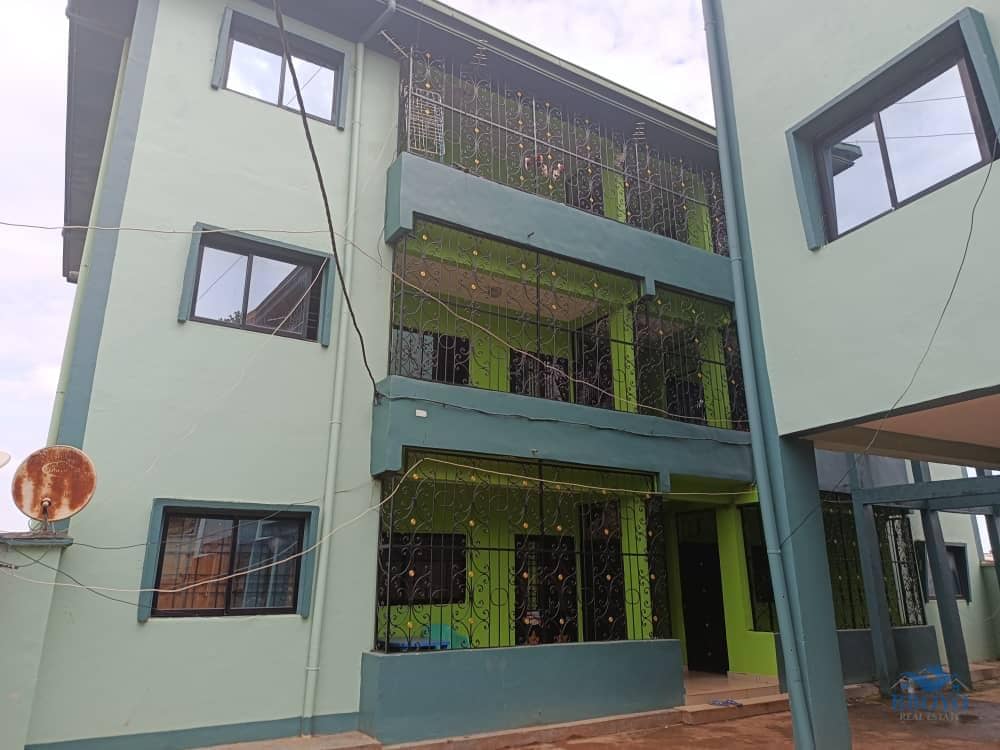
Despite the continuing challenges in the Northwest and Southwest Regions, Bboyo Real Estate is experiencing a noticeable increase in demand for properties across Bamenda, with particularly strong interest coming from the Upstation area.
More and more people are searching for properties on www.bboyo.com and contacting Bboyo directly because they are looking for affordable studios and apartments.
And what they are asking for tells an important story.
People Are Searching for Affordable Homes
A large number of clients contacting Bboyo are looking for properties between 15,000 FCFA and 65,000 FCFA per month.
These aren't necessarily people searching for luxury homes. They are families, workers, students, young professionals, and ordinary residents looking for something simple, accessible, and affordable.
The problem?
The demand for housing within this price range is high, but the supply is significantly low.
This creates a serious affordability gap. There may be properties available in Bamenda, but many of them are priced beyond what a significant number of families can comfortably afford.
And that is where the real challenge begins.
The Crisis Changed Where People Live
The conflict did not simply cause people to leave the Northwest.
For many families, it changed where they live within the region.
People who once lived in villages and smaller communities increasingly moved toward urban centers such as Bamenda in search of security, schools, healthcare, markets, employment, and other essential services.
This created a new reality.
While some communities lost residents, Bamenda absorbed people who still needed somewhere to live. The crisis reduced housing demand in some areas while increasing pressure on housing in others.
That distinction is critical.
From Empty Houses to Housing Shortages
At different stages of the crisis, some neighborhoods experienced significant population movement. Families abandoned homes and moved toward areas they considered more accessible or relatively safer.
But population movement doesn't eliminate the need for housing. It moves the need for housing somewhere else. When people concentrate in particular neighborhoods, available apartments, studios, and houses begin to disappear. Eventually, the question changes from:
"Who wants to rent this house?"
to:
"Where can I find a house to rent?"
That is a completely different real-estate market.
Bamenda's Problem Is No Longer Simply Demand. It's Supply.
This is one of the most important things Bboyo is observing on the ground.
- The demand is there.
- People are actively searching.
- People are calling.
- People are sending inquiries.
- People are visiting the website.
But there aren't enough affordable properties available to satisfy everyone. This is especially noticeable in the 15,000–65,000 FCFA monthly price range.
- A family may have a specific budget.
- They may need a studio or apartment.
- They may prefer Upstation or another particular neighborhood.
But finding a property that meets all three requirements - price, location, and availability - can be extremely difficult.
This is the classic real-estate problem:
Too many people searching. Not enough suitable properties available.
Why Upstation?
The increased demand around Upstation is particularly interesting. For many people, safety and location matter just as much as price.
Families want access to schools, markets, transportation, healthcare, businesses, places of worship, and other essential services.
Workers want to reduce transportation costs and remain close to where they conduct business.
Parents want convenient access to schools and services for their children.
As more people search for affordable housing in these desirable areas, competition for the limited number of affordable properties increases.
And that creates pressure on prices.
Bboyo Agents Are Becoming Part of the Solution
This is where Bboyo agents in Bamenda are playing an increasingly important role.
Rather than simply showing a property and accepting whatever price is presented, Bboyo agents are increasingly standing stronger in negotiations with landlords and property owners.
The goal is simple:
Find ways to make housing more affordable.
In some cases, agents are bargaining with property owners to bring the price of studios and apartments down to levels that certain families can actually afford.
For a family with children, the difference between 65,000 FCFA and 50,000 FCFA per month isn't small. It can mean the difference between being able to afford a home and having nowhere to go. This is why Bboyo believes its agents should not simply be property marketers. They should be advocates for a better real estate experience.
Bboyo Has Eliminated Showing Fees
There is another major difference in the way Bboyo approaches property searches.
Bboyo has completely eliminated property showing fees for its clients across the country. Customers should not have to pay simply because they want to see a property.
Instead, Bboyo absorbs 100% of the showing cost. Bboyo pays its agents for showing properties—not the customer.
Why?
Because the company understands that its agents are also people with families, responsibilities, and bills to pay.
The agents who go out into the community, answer calls, travel to properties, meet clients, and conduct showings deserve to be compensated for their work.
The goal is to create a system where:
The customer gets access to the property without a showing fee.
The agent gets paid for their work.
The landlord gets a potential tenant or buyer.
And the real-estate ecosystem benefits.
A Business Built Around a Bigger Prayer
For Bboyo, this isn't simply a business model. It is connected to the company's broader purpose. At the end of Bboyo meetings, there is a prayer that has become deeply meaningful to the company:
"Our prayer is that Bboyo will be a blessing to you, your family, and to your community."
That principle influences how Bboyo thinks about its agents and customers. If an agent earns income from showing properties, that income can help put food on their table. It can help pay school fees. It can help provide for their children. It can support their family.
And when that agent's family is supported, the benefit can extend into the wider community. That is what Bboyo means by being a blessing.
The Demand Is Real. But So Is the Gap.
The growing number of people searching for properties on Bboyo demonstrates something important.
People still need homes.
The crisis did not eliminate that need.
If anything, it changed the location, type, and affordability of the housing people are looking for.
Today, Bboyo is seeing increasing interest from people searching throughout Bamenda, particularly around Upstation, with many clients looking for affordable studios and apartments between 15,000 and 65,000 FCFA.
But the supply of properties within that range remains significantly limited. That creates an enormous gap between what people can afford and what is available.
And closing that gap will require landlords, property owners, agents, developers, and real estate companies to work differently and together.
What Does This Tell Us About Bamenda?
Perhaps the most interesting question isn't: "Why is there so much demand for houses in Bamenda during a crisis?"
The better question is: "What does this demand tell us about the people who still call Bamenda home?"
- People are adapting.
- Families are adapting.
- Businesses are adapting.
- Tenants are searching for affordable alternatives.
- Landlords are adjusting.
- Agents are negotiating.
- And the housing market is changing with them.
The crisis has undoubtedly caused enormous suffering and disruption. But it has not eliminated the fundamental need for shelter. People still need somewhere to live.
Bamenda's Housing Story Is Not Over
Seven years ago, the conversation may have been about empty houses.
Today, the conversation is increasingly about where people can find affordable homes. That is a remarkable transformation.
The lesson is simple:
A housing market doesn't disappear simply because a city is facing a crisis. Sometimes, the crisis changes the market so dramatically that demand emerges in places nobody expected.
Bamenda may be one of those places.
And if the growing searches and inquiries Bboyo is experiencing are any indication, the demand for affordable housing is not going away.
The real question now is:
Can Bamenda's landlords, property owners, developers, and real estate professionals provide enough affordable housing for those who need it?
Because people are searching.
Bboyo is seeing them search every day.
And increasingly, they are searching for one thing:
A place they can afford to call home.
If you or someone is looking for an affordable property in Bamenda?
Visit www.bboyo.com to search available properties, or contact Bboyo to speak with an agent.
No showing fee. No paying just to see a property.
Bboyo pays the agent—not the customer.